Buy regale.eu ?
We are moving the project
regale.eu .
Are you interested in purchasing the domain
regale.eu ?
domain@kv-gmbh.de · 0541-91531010
Buy regale.eu ?
What are demonstrative pronouns and relative pronouns?
Demonstrative pronouns are pronouns that are used to point to specific things or people. Examples of demonstrative pronouns include "this," "that," "these," and "those." Relative pronouns are pronouns that introduce dependent clauses and connect them to independent clauses. Examples of relative pronouns include "who," "whom," "whose," "which," and "that." **
Why are demonstrative pronouns called demonstrative pronouns?
Demonstrative pronouns are called demonstrative because they demonstrate or point to a specific noun or pronoun in a sentence. They help to indicate the position or location of the noun or pronoun in relation to the speaker or listener. By using demonstrative pronouns such as "this," "that," "these," and "those," speakers can make their communication more precise and clear by specifying which person, place, thing, or idea they are referring to. **


Similar search terms for Pronouns
Top-Angebote
Products related to Pronouns:
-
Ravenhead Entertain Footed Trifle Bowl - 20cmFrom the Entertain range by Ravenhead comes this stylish and elegant Trifle Bowl. This trifle bowl is handmade using traditional mouth-blown methods using excellent quality glass. Perfect for displaying your trifles or could also be used for salads and other dishes. This lovely bowl would also make a great centrepiece for your table. Product Features Ravenhead Footed Trifle Bowl Made from high-quality mouth-blown glass Ideal for trifles or a table centrepiece Height 22cm Handwash only21,99 £*Shipping: 4,99 £Secure redirect to the provider
-
Ravenhead Entertain 20cm Footed Trifle BowlRavenhead Entertain 20cm Footed Trifle Bowl. A contemporary footed trifle bowl that is equally at home being used for serving salads or as a centre-piece to your table. Handmade from high quality glass using traditional methods. Part of the Entertain range from Ravenhead. A collection of glassware that is perfect for parties. From tea and coffee cups to serving bowls and cocktail glasses. Dimensions: Height: 22cm. Diameter: 20cm. Handwash only.23,10 £*Shipping: 3,50 £Secure redirect to the provider
-
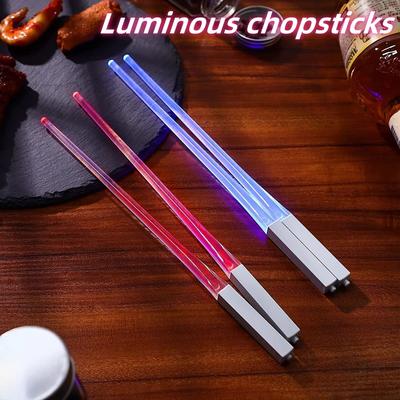
Inspired Finds LED Light Up Chopsticks Multicolor Luminous Dining Party Tableware greenTurn every meal into a fun and memorable experience. These LED light up chopsticks add vibrant color and playful style to your dining table, making them perfect for parties, themed dinners, and casual gatherings. With built in LED lights, they glow...34,99 $*Shipping: 0,00 $Secure redirect to the provider
-
Lush Living Finds Portable Tableware Set For Home Kitchen, Household Dining Room Tableware pinkEnhance Your Dining Experience with the Counts Portable Tableware Set The Counts Portable Tableware Set for Home is the perfect solution to elevate your kitchen, dining room, or household tableware. Designed with both functionality and style in...49,97 $*Shipping: 0,00 $Secure redirect to the provider



-
With which pronouns do many people confuse reflexive pronouns?
Many people confuse reflexive pronouns with personal pronouns. For example, they may use "myself" or "yourself" instead of "me" or "you" in a sentence. This confusion often occurs when people are trying to emphasize the subject of the sentence, but they mistakenly use a reflexive pronoun instead of a personal pronoun. It's important to understand the difference between reflexive and personal pronouns in order to use them correctly in sentences. **
-
What are pronouns?
Pronouns are words that are used in place of nouns to avoid repetition in a sentence. They can refer to people, places, things, or ideas. Pronouns help make sentences clearer and more concise by replacing specific nouns with general words like "he," "she," "it," "they," and "we." Using pronouns also helps to maintain the flow of writing and make it more engaging for the reader. **
-
Which pronouns do many people often confuse with reflexive pronouns?
Many people often confuse reflexive pronouns with intensive pronouns. Intensive pronouns are used to emphasize a preceding noun or pronoun, while reflexive pronouns are used when the subject and object of a sentence are the same. For example, "I myself will do it" uses an intensive pronoun, while "I hurt myself" uses a reflexive pronoun. It is important to understand the distinction between these two types of pronouns to use them correctly in sentences. **
-
Can you help me with personal pronouns and possessive pronouns?
Certainly! Personal pronouns are used to replace nouns in a sentence, such as "I", "you", "he", "she", "it", "we", and "they". Possessive pronouns show ownership or possession, such as "mine", "yours", "his", "hers", "ours", and "theirs". If you need help understanding how to use these pronouns in a sentence or identifying which pronoun to use in a specific context, feel free to ask for more guidance. **
What is the difference between relative pronouns and interrogative pronouns?
Relative pronouns are used to connect a dependent clause to an independent clause, providing more information about a noun in the independent clause. They include words like "who," "which," and "that." Interrogative pronouns, on the other hand, are used to ask questions and gather information. They include words like "who," "what," "which," "whom," and "whose." The main difference between the two is their function in a sentence - relative pronouns connect clauses, while interrogative pronouns are used to ask questions. **
What is the difference between personal pronouns and reflexive pronouns?
Personal pronouns are used to refer to people or things, such as "I," "you," "he," "she," "it," "we," and "they." Reflexive pronouns, on the other hand, are used when the subject and object of a sentence are the same person or thing, such as "myself," "yourself," "himself," "herself," "itself," "ourselves," and "themselves." Reflexive pronouns are used to reflect the action back onto the subject, while personal pronouns simply refer to the subject or object. **
Top-Angebote
Products related to Pronouns:
-
Inspire Curations Tableware & Food Theme Wallpaper Modern Kitchen & Dining Wall Decor Tableware & Food Theme Wallpaper Modern Kitchen & Dining Wall DecorTurn your walls into a feast for the eyes with this stylish food wallpaper wall decor designed to elevate kitchens, dining spaces, and restaurants. Featuring artistic tableware and foodinspired patterns, this kitchen food wallpaper brings warmth,...58,00 $*Shipping: 0,00 $Secure redirect to the provider
-
Lush Living Finds Portable Tableware Set For Home Kitchen, Household Dining Room Tableware blackEnhance Your Dining Experience with the Counts Portable Tableware Set The Counts Portable Tableware Set for Home is the perfect solution to elevate your kitchen, dining room, or household tableware. Designed with both functionality and style in...49,97 $*Shipping: 0,00 $Secure redirect to the provider
-
Ravenhead Entertain Footed Trifle Bowl - 20cmFrom the Entertain range by Ravenhead comes this stylish and elegant Trifle Bowl. This trifle bowl is handmade using traditional mouth-blown methods using excellent quality glass. Perfect for displaying your trifles or could also be used for salads and other dishes. This lovely bowl would also make a great centrepiece for your table. Product Features Ravenhead Footed Trifle Bowl Made from high-quality mouth-blown glass Ideal for trifles or a table centrepiece Height 22cm Handwash only21,99 £*Shipping: 4,99 £Secure redirect to the provider
-
Ravenhead Entertain 20cm Footed Trifle BowlRavenhead Entertain 20cm Footed Trifle Bowl. A contemporary footed trifle bowl that is equally at home being used for serving salads or as a centre-piece to your table. Handmade from high quality glass using traditional methods. Part of the Entertain range from Ravenhead. A collection of glassware that is perfect for parties. From tea and coffee cups to serving bowls and cocktail glasses. Dimensions: Height: 22cm. Diameter: 20cm. Handwash only.23,10 £*Shipping: 3,50 £Secure redirect to the provider
-
What are demonstrative pronouns and relative pronouns?
Demonstrative pronouns are pronouns that are used to point to specific things or people. Examples of demonstrative pronouns include "this," "that," "these," and "those." Relative pronouns are pronouns that introduce dependent clauses and connect them to independent clauses. Examples of relative pronouns include "who," "whom," "whose," "which," and "that." **
-
Why are demonstrative pronouns called demonstrative pronouns?
Demonstrative pronouns are called demonstrative because they demonstrate or point to a specific noun or pronoun in a sentence. They help to indicate the position or location of the noun or pronoun in relation to the speaker or listener. By using demonstrative pronouns such as "this," "that," "these," and "those," speakers can make their communication more precise and clear by specifying which person, place, thing, or idea they are referring to. **
-
With which pronouns do many people confuse reflexive pronouns?
Many people confuse reflexive pronouns with personal pronouns. For example, they may use "myself" or "yourself" instead of "me" or "you" in a sentence. This confusion often occurs when people are trying to emphasize the subject of the sentence, but they mistakenly use a reflexive pronoun instead of a personal pronoun. It's important to understand the difference between reflexive and personal pronouns in order to use them correctly in sentences. **
-
What are pronouns?
Pronouns are words that are used in place of nouns to avoid repetition in a sentence. They can refer to people, places, things, or ideas. Pronouns help make sentences clearer and more concise by replacing specific nouns with general words like "he," "she," "it," "they," and "we." Using pronouns also helps to maintain the flow of writing and make it more engaging for the reader. **
Similar search terms for Pronouns
-
Inspired Finds LED Light Up Chopsticks Multicolor Luminous Dining Party Tableware greenTurn every meal into a fun and memorable experience. These LED light up chopsticks add vibrant color and playful style to your dining table, making them perfect for parties, themed dinners, and casual gatherings. With built in LED lights, they glow...34,99 $*Shipping: 0,00 $Secure redirect to the provider
-
Lush Living Finds Portable Tableware Set For Home Kitchen, Household Dining Room Tableware pinkEnhance Your Dining Experience with the Counts Portable Tableware Set The Counts Portable Tableware Set for Home is the perfect solution to elevate your kitchen, dining room, or household tableware. Designed with both functionality and style in...49,97 $*Shipping: 0,00 $Secure redirect to the provider
-
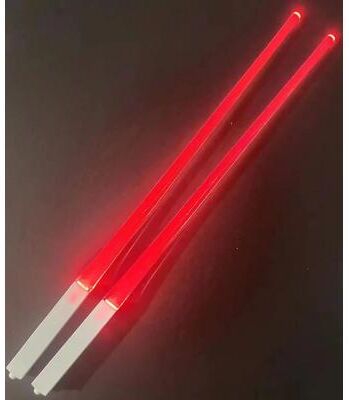
Inspired Finds LED Light Up Chopsticks Multicolor Luminous Dining Party Tableware redTurn every meal into a fun and memorable experience. These LED light up chopsticks add vibrant color and playful style to your dining table, making them perfect for parties, themed dinners, and casual gatherings. With built in LED lights, they glow...34,99 $*Shipping: 0,00 $Secure redirect to the provider
-
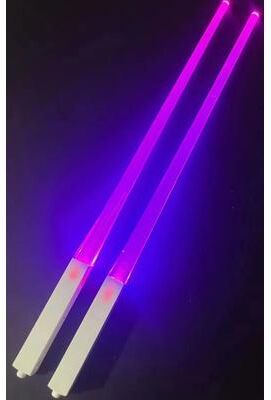
Inspired Finds LED Light Up Chopsticks Multicolor Luminous Dining Party Tableware purpleTurn every meal into a fun and memorable experience. These LED light up chopsticks add vibrant color and playful style to your dining table, making them perfect for parties, themed dinners, and casual gatherings. With built in LED lights, they glow...34,99 $*Shipping: 0,00 $Secure redirect to the provider
-
Which pronouns do many people often confuse with reflexive pronouns?
Many people often confuse reflexive pronouns with intensive pronouns. Intensive pronouns are used to emphasize a preceding noun or pronoun, while reflexive pronouns are used when the subject and object of a sentence are the same. For example, "I myself will do it" uses an intensive pronoun, while "I hurt myself" uses a reflexive pronoun. It is important to understand the distinction between these two types of pronouns to use them correctly in sentences. **
-
Can you help me with personal pronouns and possessive pronouns?
Certainly! Personal pronouns are used to replace nouns in a sentence, such as "I", "you", "he", "she", "it", "we", and "they". Possessive pronouns show ownership or possession, such as "mine", "yours", "his", "hers", "ours", and "theirs". If you need help understanding how to use these pronouns in a sentence or identifying which pronoun to use in a specific context, feel free to ask for more guidance. **
-
What is the difference between relative pronouns and interrogative pronouns?
Relative pronouns are used to connect a dependent clause to an independent clause, providing more information about a noun in the independent clause. They include words like "who," "which," and "that." Interrogative pronouns, on the other hand, are used to ask questions and gather information. They include words like "who," "what," "which," "whom," and "whose." The main difference between the two is their function in a sentence - relative pronouns connect clauses, while interrogative pronouns are used to ask questions. **
-
What is the difference between personal pronouns and reflexive pronouns?
Personal pronouns are used to refer to people or things, such as "I," "you," "he," "she," "it," "we," and "they." Reflexive pronouns, on the other hand, are used when the subject and object of a sentence are the same person or thing, such as "myself," "yourself," "himself," "herself," "itself," "ourselves," and "themselves." Reflexive pronouns are used to reflect the action back onto the subject, while personal pronouns simply refer to the subject or object. **
* All prices are inclusive of VAT and, if applicable, plus shipping costs. The offer information is based on the details provided by the respective shop and is updated through automated processes. Real-time updates do not occur, so deviations can occur in individual cases. ** Note: Parts of this content were created by AI.