Buy regale.eu ?
We are moving the project
regale.eu .
Are you interested in purchasing the domain
regale.eu ?
domain@kv-gmbh.de · 0541-91531010
Buy regale.eu ?
'Unicellular species'
Unicellular species are organisms that consist of only a single cell. These organisms carry out all of the necessary functions for life within this single cell, including obtaining nutrients, reproducing, and responding to their environment. Examples of unicellular species include bacteria, archaea, and protists. Despite being simple in structure, unicellular species can be highly diverse and have adapted to thrive in a wide range of environments. **
Unicellular species
Unicellular species are organisms that consist of a single cell, as opposed to multicellular organisms that are made up of multiple cells. These single-celled organisms can carry out all the necessary functions for life within that one cell, including obtaining nutrients, reproducing, and responding to their environment. Examples of unicellular species include bacteria, archaea, protists, and some types of algae. Despite their simple structure, unicellular species play important roles in various ecosystems and can have significant impacts on the environment. **


Similar search terms for Unicellular
Top-Angebote
Products related to Unicellular:
-
Ravenhead Entertain Footed Trifle Bowl - 20cmFrom the Entertain range by Ravenhead comes this stylish and elegant Trifle Bowl. This trifle bowl is handmade using traditional mouth-blown methods using excellent quality glass. Perfect for displaying your trifles or could also be used for salads and other dishes. This lovely bowl would also make a great centrepiece for your table. Product Features Ravenhead Footed Trifle Bowl Made from high-quality mouth-blown glass Ideal for trifles or a table centrepiece Height 22cm Handwash only21,99 £*Shipping: 4,99 £Secure redirect to the provider
-
Ravenhead Entertain 20cm Footed Trifle BowlRavenhead Entertain 20cm Footed Trifle Bowl. A contemporary footed trifle bowl that is equally at home being used for serving salads or as a centre-piece to your table. Handmade from high quality glass using traditional methods. Part of the Entertain range from Ravenhead. A collection of glassware that is perfect for parties. From tea and coffee cups to serving bowls and cocktail glasses. Dimensions: Height: 22cm. Diameter: 20cm. Handwash only.23,10 £*Shipping: 3,50 £Secure redirect to the provider
-
Inspired Finds LED Light Up Chopsticks Multicolor Luminous Dining Party Tableware greenTurn every meal into a fun and memorable experience. These LED light up chopsticks add vibrant color and playful style to your dining table, making them perfect for parties, themed dinners, and casual gatherings. With built in LED lights, they glow...34,99 $*Shipping: 0,00 $Secure redirect to the provider
-
Lush Living Finds Portable Tableware Set For Home Kitchen, Household Dining Room Tableware pinkEnhance Your Dining Experience with the Counts Portable Tableware Set The Counts Portable Tableware Set for Home is the perfect solution to elevate your kitchen, dining room, or household tableware. Designed with both functionality and style in...49,97 $*Shipping: 0,00 $Secure redirect to the provider




-
Are plants unicellular or multicellular?
Plants are multicellular organisms. **
-
What are eukaryotic unicellular organisms?
Eukaryotic unicellular organisms are single-celled organisms that have a true nucleus enclosed within a membrane. They belong to the domain Eukarya and can be found in various environments such as water, soil, and even inside other organisms. Examples of eukaryotic unicellular organisms include protists like amoebas, paramecia, and algae. These organisms can carry out all the necessary functions for life within a single cell. **
-
What are unicellular and multicellular organisms?
Unicellular organisms are living things that are made up of only one cell. This means that all of their life processes, such as obtaining nutrients, reproducing, and responding to their environment, occur within a single cell. Examples of unicellular organisms include bacteria, protozoa, and some types of algae. On the other hand, multicellular organisms are made up of more than one cell. These cells are specialized to perform different functions within the organism, such as muscle cells for movement, nerve cells for communication, and skin cells for protection. Multicellular organisms include plants, animals, and fungi. The cells in multicellular organisms work together to support the overall function and survival of the organism. **
-
What were the non-organic first living organisms - unicellular organisms, if we consider paramecia and amoebas as the first unicellular organisms?
The non-organic first living organisms were likely simple organic molecules that formed through chemical reactions in the early Earth's environment. These molecules eventually combined to form the first unicellular organisms, such as paramecia and amoebas. These unicellular organisms were likely the result of a gradual process of chemical evolution, where simple organic molecules organized themselves into more complex structures capable of exhibiting life-like properties. This process eventually led to the emergence of the first living organisms on Earth. **
What are the differences between unicellular and multicellular organisms?
Unicellular organisms are made up of a single cell, while multicellular organisms are made up of multiple cells. Unicellular organisms carry out all life processes within a single cell, while multicellular organisms have specialized cells that perform specific functions. Multicellular organisms have a higher level of organization and complexity compared to unicellular organisms. Additionally, multicellular organisms have a division of labor among cells, allowing for more efficient functioning and larger size. **
How did the unicellular organism evolve into a multicellular organism?
The evolution of unicellular organisms into multicellular organisms is believed to have occurred through a process called coloniality. Initially, unicellular organisms formed colonies where individual cells worked together for survival. Over time, some cells within these colonies specialized in specific functions, leading to the development of multicellular organisms with different cell types. This specialization allowed for more complex structures and functions, ultimately leading to the evolution of multicellular organisms. **
Top-Angebote
Products related to Unicellular:
-
Inspire Curations Tableware & Food Theme Wallpaper Modern Kitchen & Dining Wall Decor Tableware & Food Theme Wallpaper Modern Kitchen & Dining Wall DecorTurn your walls into a feast for the eyes with this stylish food wallpaper wall decor designed to elevate kitchens, dining spaces, and restaurants. Featuring artistic tableware and foodinspired patterns, this kitchen food wallpaper brings warmth,...58,00 $*Shipping: 0,00 $Secure redirect to the provider
-
Lush Living Finds Portable Tableware Set For Home Kitchen, Household Dining Room Tableware blackEnhance Your Dining Experience with the Counts Portable Tableware Set The Counts Portable Tableware Set for Home is the perfect solution to elevate your kitchen, dining room, or household tableware. Designed with both functionality and style in...49,97 $*Shipping: 0,00 $Secure redirect to the provider
-
Ravenhead Entertain Footed Trifle Bowl - 20cmFrom the Entertain range by Ravenhead comes this stylish and elegant Trifle Bowl. This trifle bowl is handmade using traditional mouth-blown methods using excellent quality glass. Perfect for displaying your trifles or could also be used for salads and other dishes. This lovely bowl would also make a great centrepiece for your table. Product Features Ravenhead Footed Trifle Bowl Made from high-quality mouth-blown glass Ideal for trifles or a table centrepiece Height 22cm Handwash only21,99 £*Shipping: 4,99 £Secure redirect to the provider
-
Ravenhead Entertain 20cm Footed Trifle BowlRavenhead Entertain 20cm Footed Trifle Bowl. A contemporary footed trifle bowl that is equally at home being used for serving salads or as a centre-piece to your table. Handmade from high quality glass using traditional methods. Part of the Entertain range from Ravenhead. A collection of glassware that is perfect for parties. From tea and coffee cups to serving bowls and cocktail glasses. Dimensions: Height: 22cm. Diameter: 20cm. Handwash only.23,10 £*Shipping: 3,50 £Secure redirect to the provider
-
'Unicellular species'
Unicellular species are organisms that consist of only a single cell. These organisms carry out all of the necessary functions for life within this single cell, including obtaining nutrients, reproducing, and responding to their environment. Examples of unicellular species include bacteria, archaea, and protists. Despite being simple in structure, unicellular species can be highly diverse and have adapted to thrive in a wide range of environments. **
-
Unicellular species
Unicellular species are organisms that consist of a single cell, as opposed to multicellular organisms that are made up of multiple cells. These single-celled organisms can carry out all the necessary functions for life within that one cell, including obtaining nutrients, reproducing, and responding to their environment. Examples of unicellular species include bacteria, archaea, protists, and some types of algae. Despite their simple structure, unicellular species play important roles in various ecosystems and can have significant impacts on the environment. **
-
Are plants unicellular or multicellular?
Plants are multicellular organisms. **
-
What are eukaryotic unicellular organisms?
Eukaryotic unicellular organisms are single-celled organisms that have a true nucleus enclosed within a membrane. They belong to the domain Eukarya and can be found in various environments such as water, soil, and even inside other organisms. Examples of eukaryotic unicellular organisms include protists like amoebas, paramecia, and algae. These organisms can carry out all the necessary functions for life within a single cell. **
Similar search terms for Unicellular
-
Inspired Finds LED Light Up Chopsticks Multicolor Luminous Dining Party Tableware greenTurn every meal into a fun and memorable experience. These LED light up chopsticks add vibrant color and playful style to your dining table, making them perfect for parties, themed dinners, and casual gatherings. With built in LED lights, they glow...34,99 $*Shipping: 0,00 $Secure redirect to the provider
-
Lush Living Finds Portable Tableware Set For Home Kitchen, Household Dining Room Tableware pinkEnhance Your Dining Experience with the Counts Portable Tableware Set The Counts Portable Tableware Set for Home is the perfect solution to elevate your kitchen, dining room, or household tableware. Designed with both functionality and style in...49,97 $*Shipping: 0,00 $Secure redirect to the provider
-
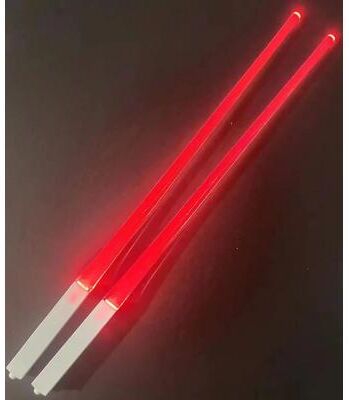
Inspired Finds LED Light Up Chopsticks Multicolor Luminous Dining Party Tableware redTurn every meal into a fun and memorable experience. These LED light up chopsticks add vibrant color and playful style to your dining table, making them perfect for parties, themed dinners, and casual gatherings. With built in LED lights, they glow...34,99 $*Shipping: 0,00 $Secure redirect to the provider
-
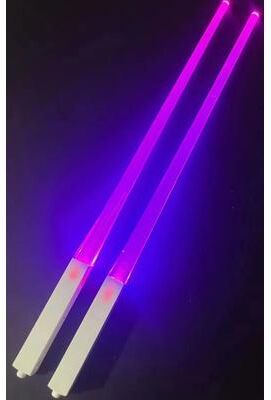
Inspired Finds LED Light Up Chopsticks Multicolor Luminous Dining Party Tableware purpleTurn every meal into a fun and memorable experience. These LED light up chopsticks add vibrant color and playful style to your dining table, making them perfect for parties, themed dinners, and casual gatherings. With built in LED lights, they glow...34,99 $*Shipping: 0,00 $Secure redirect to the provider
-
What are unicellular and multicellular organisms?
Unicellular organisms are living things that are made up of only one cell. This means that all of their life processes, such as obtaining nutrients, reproducing, and responding to their environment, occur within a single cell. Examples of unicellular organisms include bacteria, protozoa, and some types of algae. On the other hand, multicellular organisms are made up of more than one cell. These cells are specialized to perform different functions within the organism, such as muscle cells for movement, nerve cells for communication, and skin cells for protection. Multicellular organisms include plants, animals, and fungi. The cells in multicellular organisms work together to support the overall function and survival of the organism. **
-
What were the non-organic first living organisms - unicellular organisms, if we consider paramecia and amoebas as the first unicellular organisms?
The non-organic first living organisms were likely simple organic molecules that formed through chemical reactions in the early Earth's environment. These molecules eventually combined to form the first unicellular organisms, such as paramecia and amoebas. These unicellular organisms were likely the result of a gradual process of chemical evolution, where simple organic molecules organized themselves into more complex structures capable of exhibiting life-like properties. This process eventually led to the emergence of the first living organisms on Earth. **
-
What are the differences between unicellular and multicellular organisms?
Unicellular organisms are made up of a single cell, while multicellular organisms are made up of multiple cells. Unicellular organisms carry out all life processes within a single cell, while multicellular organisms have specialized cells that perform specific functions. Multicellular organisms have a higher level of organization and complexity compared to unicellular organisms. Additionally, multicellular organisms have a division of labor among cells, allowing for more efficient functioning and larger size. **
-
How did the unicellular organism evolve into a multicellular organism?
The evolution of unicellular organisms into multicellular organisms is believed to have occurred through a process called coloniality. Initially, unicellular organisms formed colonies where individual cells worked together for survival. Over time, some cells within these colonies specialized in specific functions, leading to the development of multicellular organisms with different cell types. This specialization allowed for more complex structures and functions, ultimately leading to the evolution of multicellular organisms. **
* All prices are inclusive of VAT and, if applicable, plus shipping costs. The offer information is based on the details provided by the respective shop and is updated through automated processes. Real-time updates do not occur, so deviations can occur in individual cases. ** Note: Parts of this content were created by AI.