Buy regale.eu ?
We are moving the project
regale.eu .
Are you interested in purchasing the domain
regale.eu ?
domain@kv-gmbh.de · 0541-91531010
Buy regale.eu ?
Why are all stainless steels considered to be stainless steels?
All stainless steels are considered to be stainless because they contain a minimum of 10.5% chromium, which creates a protective layer of chromium oxide on the surface of the steel. This layer prevents corrosion and staining, giving stainless steel its characteristic resistance to rust and corrosion. Additionally, stainless steels may also contain other alloying elements such as nickel, molybdenum, or titanium, which further enhance their resistance to corrosion and staining. Therefore, all stainless steels share the common characteristic of being resistant to rust and corrosion, making them suitable for a wide range of applications. **
Which stainless steels are magnetic?
Stainless steels that are magnetic are primarily the ferritic and martensitic types. Ferritic stainless steels, such as grades 409, 430, and 439, contain high levels of chromium but low levels of carbon, making them magnetic. Martensitic stainless steels, like grades 410 and 420, are also magnetic due to their high carbon content and the addition of elements like nickel and chromium. Austenitic stainless steels, on the other hand, such as grades 304 and 316, are non-magnetic due to their crystal structure. **

Similar search terms for Steels
Top-Angebote
Products related to Steels:
-
Ravenhead Entertain 20cm Footed Trifle BowlRavenhead Entertain 20cm Footed Trifle Bowl. A contemporary footed trifle bowl that is equally at home being used for serving salads or as a centre-piece to your table. Handmade from high quality glass using traditional methods. Part of the Entertain range from Ravenhead. A collection of glassware that is perfect for parties. From tea and coffee cups to serving bowls and cocktail glasses. Dimensions: Height: 22cm. Diameter: 20cm. Handwash only.23,10 £*Shipping: 3,50 £Secure redirect to the provider
-
Lush Living Finds Portable Tableware Set For Home Kitchen, Household Dining Room Tableware blackEnhance Your Dining Experience with the Counts Portable Tableware Set The Counts Portable Tableware Set for Home is the perfect solution to elevate your kitchen, dining room, or household tableware. Designed with both functionality and style in...49,97 $*Shipping: 0,00 $Secure redirect to the provider
-
Furniture Dash Wood Dining Hutch"- Assembled dimensions and weight: 57.20""W, 12.40""D, 41.89""H - 83.20lb. - The product is for exclusive use with the OLI416 OLI426 buffet sideboard. - Made of solid pine wood from renewable resources. - Olive Range"341,75 $*Shipping: 0,00 $Secure redirect to the provider



-
How are flat steels welded?
Flat steels are typically welded using one of several methods, including shielded metal arc welding (SMAW), gas metal arc welding (GMAW), or flux-cored arc welding (FCAW). SMAW, also known as stick welding, uses a consumable electrode coated in flux to create the weld. GMAW, or MIG welding, uses a continuous solid wire electrode and a shielding gas to protect the weld from atmospheric contamination. FCAW is similar to GMAW but uses a tubular electrode filled with flux instead of a solid wire. Each method has its own advantages and is chosen based on the specific requirements of the welding project. **
-
Which steels are easily machinable?
Steels that are easily machinable typically have a higher amount of sulfur and phosphorus, which helps to break the chips during the machining process. Free machining steels, such as 12L14 and 1215, are known for their excellent machinability due to their high sulfur content. Additionally, leaded steels, such as 11L17 and 11L41, are also easily machinable because the lead acts as a lubricant during the cutting process, reducing friction and improving machinability. These steels are commonly used in applications where high-speed machining and excellent surface finish are required. **
-
Which steels are resistant to seawater?
Stainless steels such as 316 and 316L are highly resistant to seawater corrosion due to their high levels of chromium and molybdenum. These steels are commonly used in marine applications such as boat fittings, underwater equipment, and offshore platforms. Additionally, duplex stainless steels, which contain a combination of austenitic and ferritic microstructures, also offer good resistance to seawater corrosion. These steels are often used in seawater piping systems and desalination plants. **
-
What are alloyed and non-alloyed steels?
Alloyed steels are steels that have been mixed with other elements such as nickel, chromium, or manganese to enhance their properties like strength, hardness, and corrosion resistance. Non-alloyed steels, on the other hand, are steels that only contain iron and carbon as the primary elements. Non-alloyed steels are generally more ductile and easier to work with, while alloyed steels are often used in applications where higher strength or specific properties are required. **


In which steels does RP 10 play a role?
RP 10 plays a role in high-speed steels, tool steels, and stainless steels. It is commonly used as a cutting tool material in these steels due to its excellent wear resistance, toughness, and ability to maintain hardness at high temperatures. RP 10 helps improve the performance and longevity of tools made from these steels, making them suitable for demanding applications in industries such as automotive, aerospace, and manufacturing. **
Do high-alloy steels always have a carburized structure?
No, high-alloy steels do not always have a carburized structure. Carburization is a process in which carbon is diffused into the surface of the steel to increase its hardness. While high-alloy steels are often used in carburizing applications due to their ability to maintain their strength and hardness at high temperatures, not all high-alloy steels are carburized. The decision to carburize a high-alloy steel depends on the specific application and the desired properties of the final product. **
Top-Angebote
Products related to Steels:
-
Tools, Home & Hobby Gravity Fed Water Filter System Stainless Steels Countertop Water Filtration System Gravity Fed Water Filter System Stainless Steels Countertop Water Filtration SystemThis gravityfed water filter system provides a convenient way to filter water without electricity. It uses activated carbon and ceramic filter membranes to reduce chlorine, heavy metals, sediment, rust, soil, and other impurities while improving...219,97 $*Shipping: 0,00 $Secure redirect to the provider
-
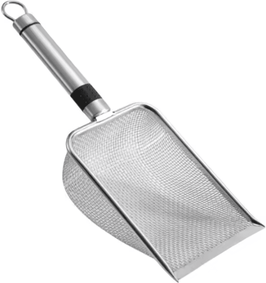
Uplift Curations Stainless Steel Cat Litter Scoop Durable, Rust Resistant Ergonomic Pet Waste Scoop For Quick Cleanup stainless SteelsMake litter box maintenance easier and more hygienic with this Stainless Steel Cat Litter Scoop, designed for quick and efficient waste removal every time. Crafted from durable, rustresistant stainless steel, it stands up to daily use without...80,00 $*Shipping: 0,00 $Secure redirect to the provider
-
Ravenhead Entertain 20cm Footed Trifle BowlRavenhead Entertain 20cm Footed Trifle Bowl. A contemporary footed trifle bowl that is equally at home being used for serving salads or as a centre-piece to your table. Handmade from high quality glass using traditional methods. Part of the Entertain range from Ravenhead. A collection of glassware that is perfect for parties. From tea and coffee cups to serving bowls and cocktail glasses. Dimensions: Height: 22cm. Diameter: 20cm. Handwash only.23,10 £*Shipping: 3,50 £Secure redirect to the provider
-
Lush Living Finds Portable Tableware Set For Home Kitchen, Household Dining Room Tableware blackEnhance Your Dining Experience with the Counts Portable Tableware Set The Counts Portable Tableware Set for Home is the perfect solution to elevate your kitchen, dining room, or household tableware. Designed with both functionality and style in...49,97 $*Shipping: 0,00 $Secure redirect to the provider
-
Why are all stainless steels considered to be stainless steels?
All stainless steels are considered to be stainless because they contain a minimum of 10.5% chromium, which creates a protective layer of chromium oxide on the surface of the steel. This layer prevents corrosion and staining, giving stainless steel its characteristic resistance to rust and corrosion. Additionally, stainless steels may also contain other alloying elements such as nickel, molybdenum, or titanium, which further enhance their resistance to corrosion and staining. Therefore, all stainless steels share the common characteristic of being resistant to rust and corrosion, making them suitable for a wide range of applications. **
-
Which stainless steels are magnetic?
Stainless steels that are magnetic are primarily the ferritic and martensitic types. Ferritic stainless steels, such as grades 409, 430, and 439, contain high levels of chromium but low levels of carbon, making them magnetic. Martensitic stainless steels, like grades 410 and 420, are also magnetic due to their high carbon content and the addition of elements like nickel and chromium. Austenitic stainless steels, on the other hand, such as grades 304 and 316, are non-magnetic due to their crystal structure. **
-
How are flat steels welded?
Flat steels are typically welded using one of several methods, including shielded metal arc welding (SMAW), gas metal arc welding (GMAW), or flux-cored arc welding (FCAW). SMAW, also known as stick welding, uses a consumable electrode coated in flux to create the weld. GMAW, or MIG welding, uses a continuous solid wire electrode and a shielding gas to protect the weld from atmospheric contamination. FCAW is similar to GMAW but uses a tubular electrode filled with flux instead of a solid wire. Each method has its own advantages and is chosen based on the specific requirements of the welding project. **
-
Which steels are easily machinable?
Steels that are easily machinable typically have a higher amount of sulfur and phosphorus, which helps to break the chips during the machining process. Free machining steels, such as 12L14 and 1215, are known for their excellent machinability due to their high sulfur content. Additionally, leaded steels, such as 11L17 and 11L41, are also easily machinable because the lead acts as a lubricant during the cutting process, reducing friction and improving machinability. These steels are commonly used in applications where high-speed machining and excellent surface finish are required. **
Similar search terms for Steels
-
Furniture Dash Wood Dining Hutch"- Assembled dimensions and weight: 57.20""W, 12.40""D, 41.89""H - 83.20lb. - The product is for exclusive use with the OLI416 OLI426 buffet sideboard. - Made of solid pine wood from renewable resources. - Olive Range"341,75 $*Shipping: 0,00 $Secure redirect to the provider
-
"""Banfi Rosa Regale Brachetto d'Acqui Rose 2022 Champagne - Italy""""""Aromas of fresh crushed strawberries and a hint of rose petals. Remarkably well-balanced sweetness and refreshing acidity. Decadent on its own or indulgent when paired with chocolate desserts."""21,97 $*Shipping: 0,00 $Secure redirect to the provider
-
"""Banfi Rosa Regale Brachetto d'Acqui Rose 2023 Champagne - Italy""""""Stunning presentation in the bottle and effortlessly elegant in the glass with abundant aromatics and a sophisticated sweetness that could be none other than Rosa Regale. Delicate with fruity aromas of sweet grapefruit and orange blossom flowers...."21,97 $*Shipping: 0,00 $Secure redirect to the provider
-
Which steels are resistant to seawater?
Stainless steels such as 316 and 316L are highly resistant to seawater corrosion due to their high levels of chromium and molybdenum. These steels are commonly used in marine applications such as boat fittings, underwater equipment, and offshore platforms. Additionally, duplex stainless steels, which contain a combination of austenitic and ferritic microstructures, also offer good resistance to seawater corrosion. These steels are often used in seawater piping systems and desalination plants. **
-
What are alloyed and non-alloyed steels?
Alloyed steels are steels that have been mixed with other elements such as nickel, chromium, or manganese to enhance their properties like strength, hardness, and corrosion resistance. Non-alloyed steels, on the other hand, are steels that only contain iron and carbon as the primary elements. Non-alloyed steels are generally more ductile and easier to work with, while alloyed steels are often used in applications where higher strength or specific properties are required. **
-
In which steels does RP 10 play a role?
RP 10 plays a role in high-speed steels, tool steels, and stainless steels. It is commonly used as a cutting tool material in these steels due to its excellent wear resistance, toughness, and ability to maintain hardness at high temperatures. RP 10 helps improve the performance and longevity of tools made from these steels, making them suitable for demanding applications in industries such as automotive, aerospace, and manufacturing. **
-
Do high-alloy steels always have a carburized structure?
No, high-alloy steels do not always have a carburized structure. Carburization is a process in which carbon is diffused into the surface of the steel to increase its hardness. While high-alloy steels are often used in carburizing applications due to their ability to maintain their strength and hardness at high temperatures, not all high-alloy steels are carburized. The decision to carburize a high-alloy steel depends on the specific application and the desired properties of the final product. **
* All prices are inclusive of VAT and, if applicable, plus shipping costs. The offer information is based on the details provided by the respective shop and is updated through automated processes. Real-time updates do not occur, so deviations can occur in individual cases. ** Note: Parts of this content were created by AI.