Buy regale.eu ?
We are moving the project
regale.eu .
Are you interested in purchasing the domain
regale.eu ?
domain@kv-gmbh.de · 0541-91531010
Buy regale.eu ?
What level of education is required for Forensics?
To work in the field of forensics, a minimum of a bachelor's degree in a relevant field such as forensic science, biology, chemistry, or criminal justice is typically required. However, many positions in forensics may require a master's degree or even a Ph.D., especially for more specialized roles or for advancement in the field. Additionally, gaining practical experience through internships or on-the-job training is also important for a career in forensics. **
What is the difference between forensics and criminalistics?
Forensics is the application of scientific methods and techniques to solve crimes and legal issues, while criminalistics is a branch of forensic science that focuses specifically on the analysis of physical evidence in criminal investigations. Forensics encompasses a broader range of disciplines, including DNA analysis, toxicology, and crime scene investigation, while criminalistics is more narrowly focused on the collection, preservation, and analysis of physical evidence such as fingerprints, ballistics, and trace evidence. In summary, forensics is the overarching field that includes criminalistics as a specialized area of study within it. **


Similar search terms for Forensics
Top-Angebote
Products related to Forensics:
-
Lush Living Finds Portable Tableware Set For Home Kitchen, Household Dining Room Tableware pinkEnhance Your Dining Experience with the Counts Portable Tableware Set The Counts Portable Tableware Set for Home is the perfect solution to elevate your kitchen, dining room, or household tableware. Designed with both functionality and style in...49,97 $*Shipping: 0,00 $Secure redirect to the provider
-
Uplift Essentials Home Love Wooden Coaster Set Insulated Anti Scald Tableware & Decor Home Love Wooden Coaster Set Insulated Anti Scald Tableware & DecorProtect your surfaces with a touch of rustic charm using the Home Love Wooden Coaster Set. These highquality insulated wooden coasters are designed for the modern household that values both functionality and aesthetic warmth. Crafted from natural,...58,97 $*Shipping: 0,00 $Secure redirect to the provider
-
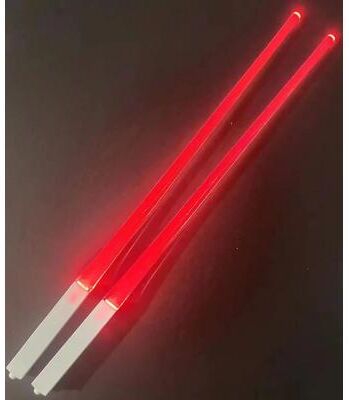
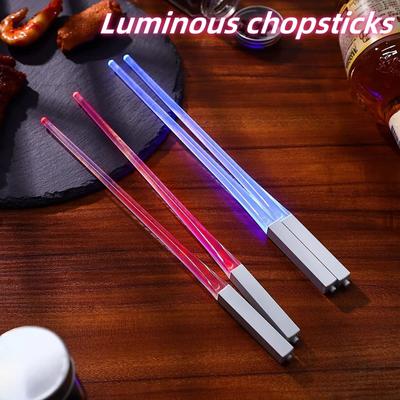
Inspired Finds LED Light Up Chopsticks Multicolor Luminous Dining Party Tableware redTurn every meal into a fun and memorable experience. These LED light up chopsticks add vibrant color and playful style to your dining table, making them perfect for parties, themed dinners, and casual gatherings. With built in LED lights, they glow...34,99 $*Shipping: 0,00 $Secure redirect to the provider



-
How can I do an internship in forensics?
To do an internship in forensics, you can start by researching and reaching out to organizations or agencies that offer internships in the field of forensics, such as law enforcement agencies, crime labs, or forensic science research institutions. You can also check with your college or university's career services office for internship opportunities in forensics. Networking with professionals in the field and attending career fairs or industry events can also help you find internship opportunities. Additionally, gaining relevant coursework or experience in forensic science, criminal justice, or related fields can make you a more competitive candidate for forensics internships. **
-
Where can I apply for an internship in forensics?
You can apply for internships in forensics at various places such as government agencies like the Federal Bureau of Investigation (FBI), local law enforcement agencies, forensic laboratories, and private forensic consulting firms. Additionally, many universities and research institutions offer internships in forensic science and related fields. It's important to research and reach out to specific organizations or institutions that align with your interests and career goals in forensics. Networking with professionals in the field and utilizing online job boards and internship databases can also help you find opportunities. **
-
How can one transition from a biomedical analyst to forensics?
To transition from a biomedical analyst to forensics, one could consider pursuing additional education or training in forensic science or a related field. This could involve obtaining a certification or a master's degree in forensic science. It may also be beneficial to gain experience through internships or volunteer opportunities in forensic labs or with law enforcement agencies. Networking with professionals in the field of forensics and attending relevant conferences or workshops can also help in making the transition. **
-
How can I study biology and then go into forensics?
To study biology and then go into forensics, you can start by pursuing a degree in biology or a related field such as forensic science. It is important to take courses in biology, chemistry, and other relevant sciences to build a strong foundation. You can then specialize in forensic biology or forensic science through additional coursework or a graduate program. Gaining practical experience through internships or research opportunities in forensic labs can also be beneficial in preparing for a career in forensics. **

What is the course of study for Natural Science Forensics?
The course of study for Natural Science Forensics typically includes a combination of biology, chemistry, physics, and forensic science courses. Students will learn about the scientific methods used in crime scene investigation, evidence collection and analysis, and how to apply these techniques in real-world scenarios. They may also study topics such as DNA analysis, toxicology, ballistics, and forensic anthropology. Hands-on laboratory work and internships are often a key component of the program to provide practical experience in the field. **
How does the detection of blood in forensics work using reduced phenolphthalein?
Reduced phenolphthalein is a chemical reagent that reacts with the heme group found in blood, producing a pink color. In forensics, this reaction is used to detect the presence of blood at a crime scene. When reduced phenolphthalein is applied to a suspected bloodstain, the appearance of a pink color indicates the presence of blood. This method is sensitive and can detect even small amounts of blood, making it a valuable tool for forensic investigators in identifying potential evidence. **
Top-Angebote
Products related to Forensics:
-
Ravenhead Entertain 20cm Footed Trifle BowlRavenhead Entertain 20cm Footed Trifle Bowl. A contemporary footed trifle bowl that is equally at home being used for serving salads or as a centre-piece to your table. Handmade from high quality glass using traditional methods. Part of the Entertain range from Ravenhead. A collection of glassware that is perfect for parties. From tea and coffee cups to serving bowls and cocktail glasses. Dimensions: Height: 22cm. Diameter: 20cm. Handwash only.23,10 £*Shipping: 3,50 £Secure redirect to the provider
-
Ravenhead Entertain Footed Trifle Bowl - 20cmFrom the Entertain range by Ravenhead comes this stylish and elegant Trifle Bowl. This trifle bowl is handmade using traditional mouth-blown methods using excellent quality glass. Perfect for displaying your trifles or could also be used for salads and other dishes. This lovely bowl would also make a great centrepiece for your table. Product Features Ravenhead Footed Trifle Bowl Made from high-quality mouth-blown glass Ideal for trifles or a table centrepiece Height 22cm Handwash only21,99 £*Shipping: 4,99 £Secure redirect to the provider
-
Lush Living Finds Portable Tableware Set For Home Kitchen, Household Dining Room Tableware pinkEnhance Your Dining Experience with the Counts Portable Tableware Set The Counts Portable Tableware Set for Home is the perfect solution to elevate your kitchen, dining room, or household tableware. Designed with both functionality and style in...49,97 $*Shipping: 0,00 $Secure redirect to the provider
-
What level of education is required for Forensics?
To work in the field of forensics, a minimum of a bachelor's degree in a relevant field such as forensic science, biology, chemistry, or criminal justice is typically required. However, many positions in forensics may require a master's degree or even a Ph.D., especially for more specialized roles or for advancement in the field. Additionally, gaining practical experience through internships or on-the-job training is also important for a career in forensics. **
-
What is the difference between forensics and criminalistics?
Forensics is the application of scientific methods and techniques to solve crimes and legal issues, while criminalistics is a branch of forensic science that focuses specifically on the analysis of physical evidence in criminal investigations. Forensics encompasses a broader range of disciplines, including DNA analysis, toxicology, and crime scene investigation, while criminalistics is more narrowly focused on the collection, preservation, and analysis of physical evidence such as fingerprints, ballistics, and trace evidence. In summary, forensics is the overarching field that includes criminalistics as a specialized area of study within it. **
-
How can I do an internship in forensics?
To do an internship in forensics, you can start by researching and reaching out to organizations or agencies that offer internships in the field of forensics, such as law enforcement agencies, crime labs, or forensic science research institutions. You can also check with your college or university's career services office for internship opportunities in forensics. Networking with professionals in the field and attending career fairs or industry events can also help you find internship opportunities. Additionally, gaining relevant coursework or experience in forensic science, criminal justice, or related fields can make you a more competitive candidate for forensics internships. **
-
Where can I apply for an internship in forensics?
You can apply for internships in forensics at various places such as government agencies like the Federal Bureau of Investigation (FBI), local law enforcement agencies, forensic laboratories, and private forensic consulting firms. Additionally, many universities and research institutions offer internships in forensic science and related fields. It's important to research and reach out to specific organizations or institutions that align with your interests and career goals in forensics. Networking with professionals in the field and utilizing online job boards and internship databases can also help you find opportunities. **
Similar search terms for Forensics
-
Uplift Essentials Home Love Wooden Coaster Set Insulated Anti Scald Tableware & Decor Home Love Wooden Coaster Set Insulated Anti Scald Tableware & DecorProtect your surfaces with a touch of rustic charm using the Home Love Wooden Coaster Set. These highquality insulated wooden coasters are designed for the modern household that values both functionality and aesthetic warmth. Crafted from natural,...58,97 $*Shipping: 0,00 $Secure redirect to the provider
-
Inspired Finds LED Light Up Chopsticks Multicolor Luminous Dining Party Tableware redTurn every meal into a fun and memorable experience. These LED light up chopsticks add vibrant color and playful style to your dining table, making them perfect for parties, themed dinners, and casual gatherings. With built in LED lights, they glow...34,99 $*Shipping: 0,00 $Secure redirect to the provider
-
Lush Living Finds Portable Tableware Set For Home Kitchen, Household Dining Room Tableware blackEnhance Your Dining Experience with the Counts Portable Tableware Set The Counts Portable Tableware Set for Home is the perfect solution to elevate your kitchen, dining room, or household tableware. Designed with both functionality and style in...49,97 $*Shipping: 0,00 $Secure redirect to the provider
-
Inspired Finds LED Light Up Chopsticks Multicolor Luminous Dining Party Tableware blueTurn every meal into a fun and memorable experience. These LED light up chopsticks add vibrant color and playful style to your dining table, making them perfect for parties, themed dinners, and casual gatherings. With built in LED lights, they glow...34,99 $*Shipping: 0,00 $Secure redirect to the provider
-
How can one transition from a biomedical analyst to forensics?
To transition from a biomedical analyst to forensics, one could consider pursuing additional education or training in forensic science or a related field. This could involve obtaining a certification or a master's degree in forensic science. It may also be beneficial to gain experience through internships or volunteer opportunities in forensic labs or with law enforcement agencies. Networking with professionals in the field of forensics and attending relevant conferences or workshops can also help in making the transition. **
-
How can I study biology and then go into forensics?
To study biology and then go into forensics, you can start by pursuing a degree in biology or a related field such as forensic science. It is important to take courses in biology, chemistry, and other relevant sciences to build a strong foundation. You can then specialize in forensic biology or forensic science through additional coursework or a graduate program. Gaining practical experience through internships or research opportunities in forensic labs can also be beneficial in preparing for a career in forensics. **
-
What is the course of study for Natural Science Forensics?
The course of study for Natural Science Forensics typically includes a combination of biology, chemistry, physics, and forensic science courses. Students will learn about the scientific methods used in crime scene investigation, evidence collection and analysis, and how to apply these techniques in real-world scenarios. They may also study topics such as DNA analysis, toxicology, ballistics, and forensic anthropology. Hands-on laboratory work and internships are often a key component of the program to provide practical experience in the field. **
-
How does the detection of blood in forensics work using reduced phenolphthalein?
Reduced phenolphthalein is a chemical reagent that reacts with the heme group found in blood, producing a pink color. In forensics, this reaction is used to detect the presence of blood at a crime scene. When reduced phenolphthalein is applied to a suspected bloodstain, the appearance of a pink color indicates the presence of blood. This method is sensitive and can detect even small amounts of blood, making it a valuable tool for forensic investigators in identifying potential evidence. **
* All prices are inclusive of VAT and, if applicable, plus shipping costs. The offer information is based on the details provided by the respective shop and is updated through automated processes. Real-time updates do not occur, so deviations can occur in individual cases. ** Note: Parts of this content were created by AI.